
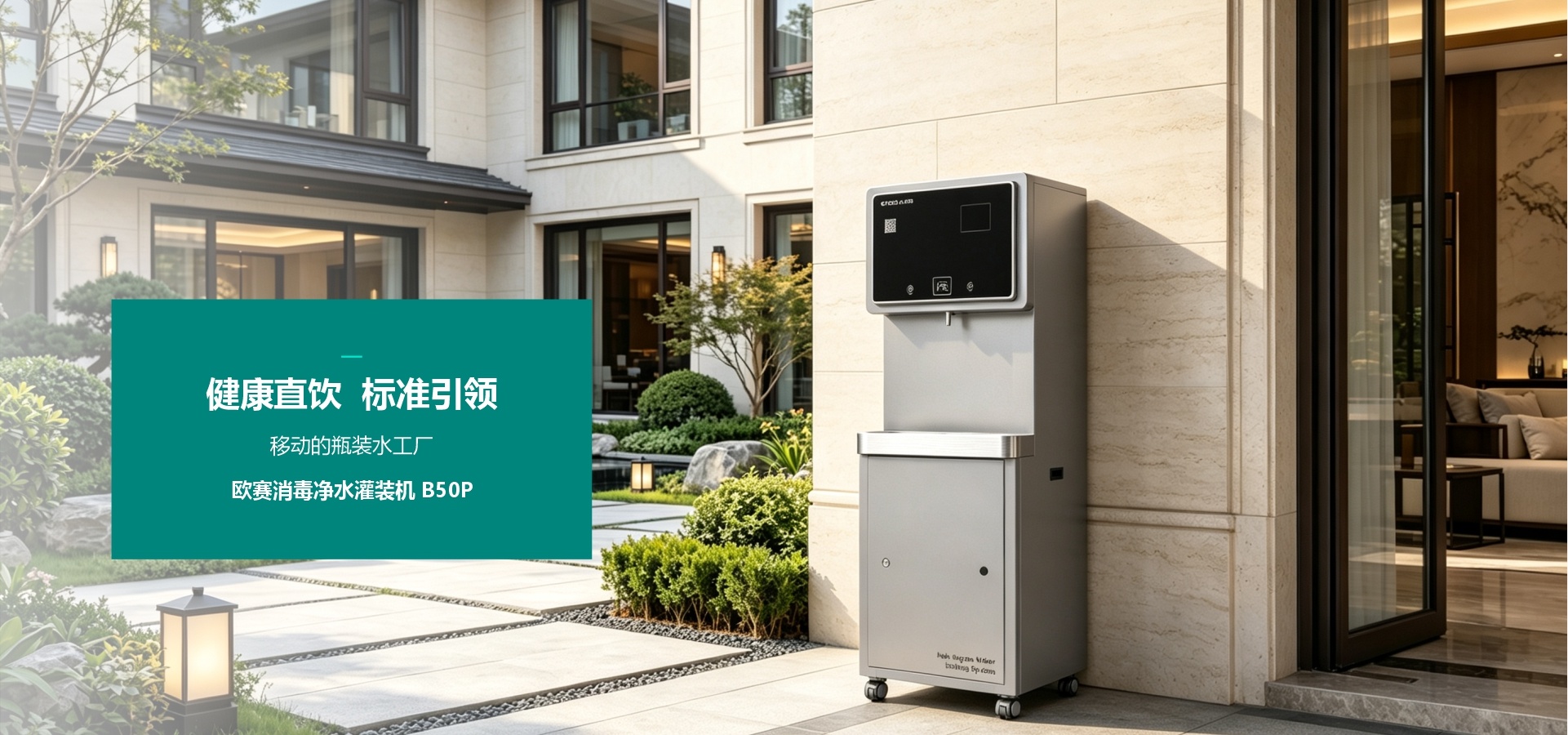
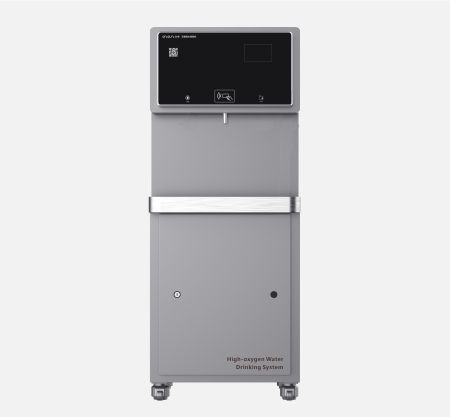
Disinfection and Water Purification Filling Machine (Water Dispenser Version)
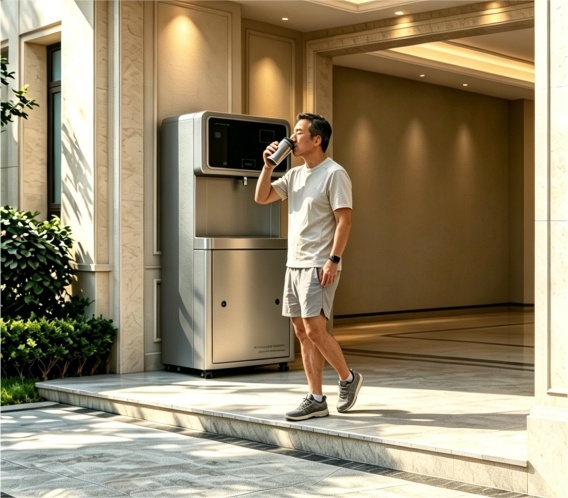
Why use the Ousai disinfection and water-filling machine?
To address the drinking‑water safety risks associated with pathogenic microorganisms—such as Escherichia coli, Pseudomonas aeruginosa, and microcystin‑producing Microcystis—in commercially available water purifiers or bottled water dispensers that lack disinfection systems.
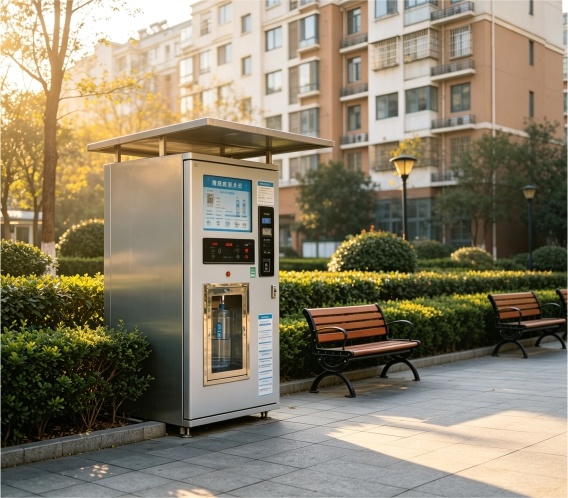
Drawbacks of Community Water Dispensers
The biggest pain point of community water dispensers is the proliferation of harmful microorganisms... Water pathways within the unit, the internal storage tank, the filter cartridge housing, and dead‑end areas at the outlet all harbor stagnant water for extended periods, creating a dark, humid environment.
The environment is highly conducive to the proliferation of Legionella, Escherichia coli, Pseudomonas aeruginosa, and biofilms, leading to recurrent contamination of the effluent.
Containers that have been filled without prior disinfection allow air to continuously enter the containers, and airborne bacteria, molds, and particulate matter are carried into the water along with the bubbles, resulting in a substantial exceedance of the total microbial count within one day.
The sole criterion for assessing drinking water quality is its hygienic and safety indicators.
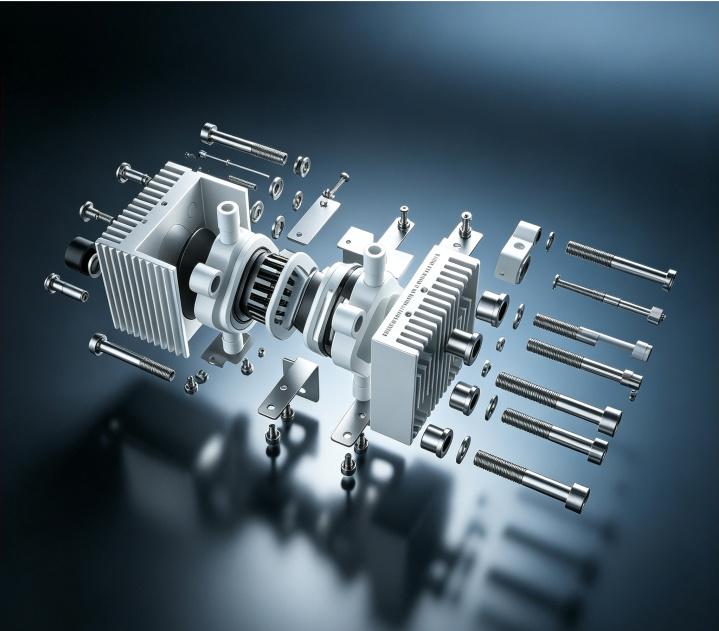
Equipped with hydrolyzed O 3 Antibacterial module
By controlling the O in the purified water 3 the generation rate and the purified water flow rate, ensuring the presence of O in the water 3 The effective concentration precisely eliminates microorganisms that proliferate in filtered water as well as on water-contact components such as pipes and valves, while ensuring the residual ozone level in the purified water. 3 The active ingredient ensures that the container is both filled and sterilized simultaneously, with no residual contamination.
It can disinfect, so you can drink it with confidence.
Say goodbye to pre‑packaged bottled water.
Drink less pre-packaged water and more fresh water.
The effluent quality of the Ousai disinfection and water‑purification filling machine complies with GB 19298 and surpasses that of pre‑packaged bottled or barrelled water.
The equipment strictly adheres to a standardized operating procedure that integrates filling, disinfection, and oxygenation in a single process; while filling is underway, It can completely eliminate bacteria and viruses on the inner walls of filling containers, providing all‑round protection for water quality. .
Truly good water begins with its essence and returns to purity.
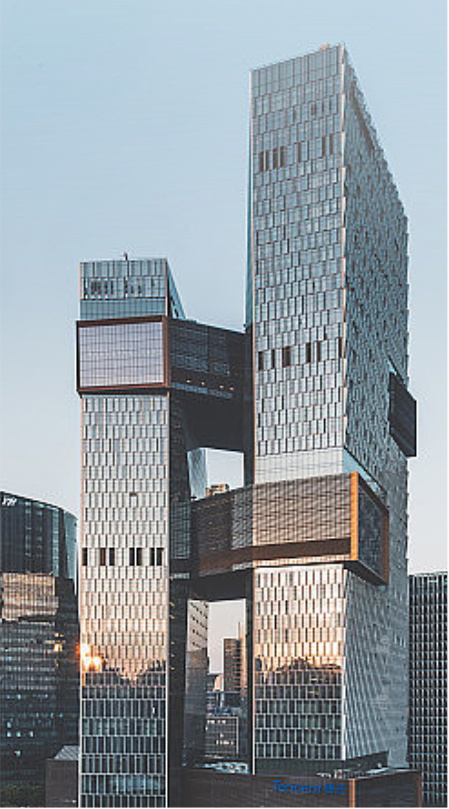
Office building
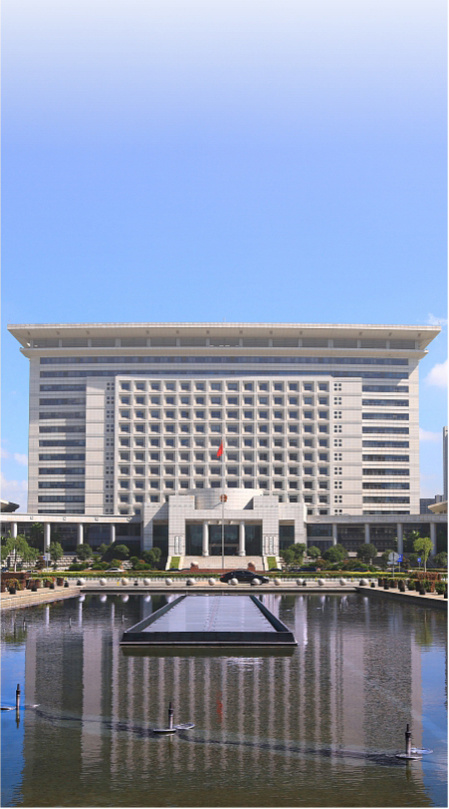
Administrative departments, military units
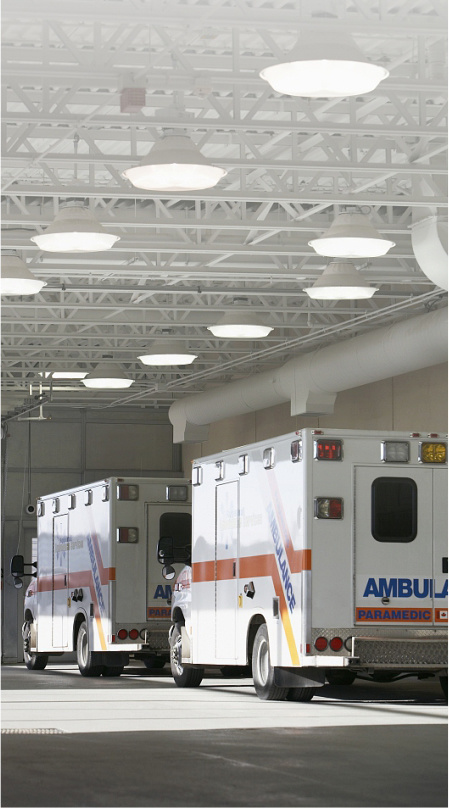
Hospital
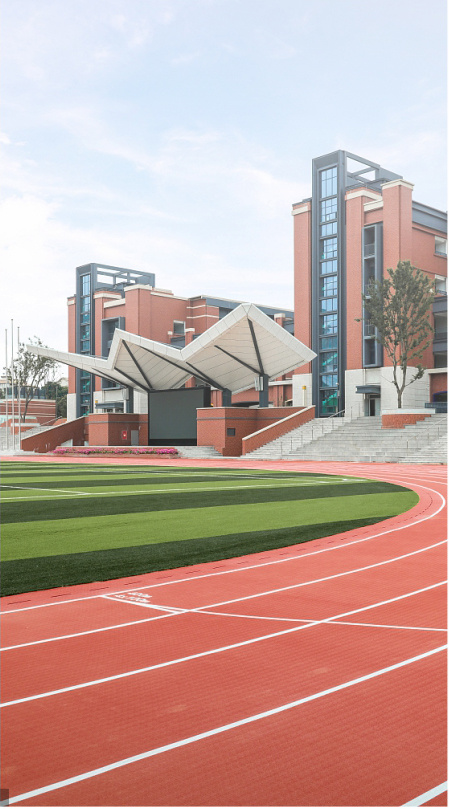
School
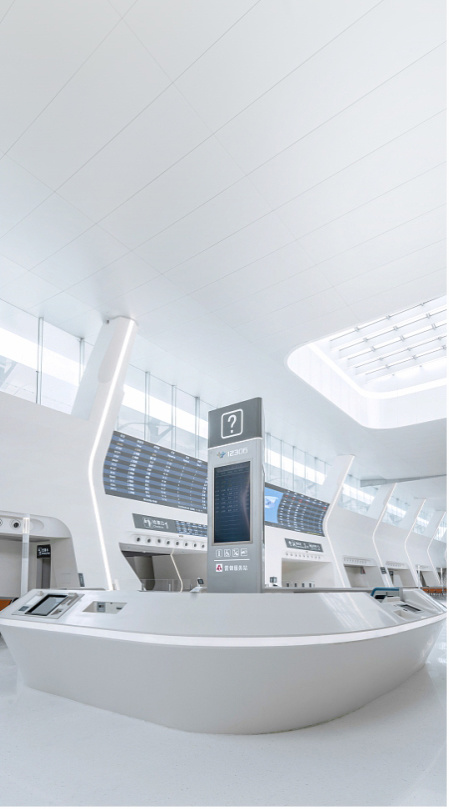
Airport, high-speed rail station

Restaurant
Hydrolyzed O developed and manufactured by Ousai3Both the generation devices and the disinfectors have been approved by the health authorities and are certified as “related to drinking water.”
“Hygiene Licensing for Sanitary Safety Products,” with categories including general water quality processors and drinking water disinfectors, among others. Furthermore, the products have been tested by the Shenzhen Institute of Metrology and Quality Inspection (SMQ) and found to comply with…
In accordance with relevant national standards, the Guangdong Provincial Microbiology Analysis and Testing Center (GT) conducted an acute inhalation toxicity test in mice, and the test concluded that the substance is essentially non‑toxic.
Ousai, together with Germany’s TÜV SÜD and the Dr. LÖRCHER Water Quality Testing Center in Stuttgart,
Dr. Van De Loo Testing Center (Germany), Shenzhen Institute of Metrology and Quality Inspection (SMQ), Guangdong Provincial Microbiology Analysis and Testing Center (GT)
We have established long-term cooperative relationships, and our products have obtained numerous domestic and international quality and safety certifications.


Business Cooperation
Dealer Application
Apply to distribute OZOSL in Mainland China
Partner Application
Project Consultation
Product Development Consulting
Custom hydrolytic O₃ modules built to spec >
Project Collaboration
Dealer network
Distributors (incl. HK, Macao, Taiwan)
OZOSL Dealer Information Inquiry
Global Partners
© 2026 OZOSL · This site is operated at ozosl.co